



A few years back, knee pain was something we used to hear from parents or grandparents. Now it’s different. People in their late 20s and early 30s are dealing with it too.
If you sit all day, skip workouts, or suddenly push hard in the gym on weekends, this might already feel relatable. So what’s actually going on?
Desk Job Life is Hitting Hard
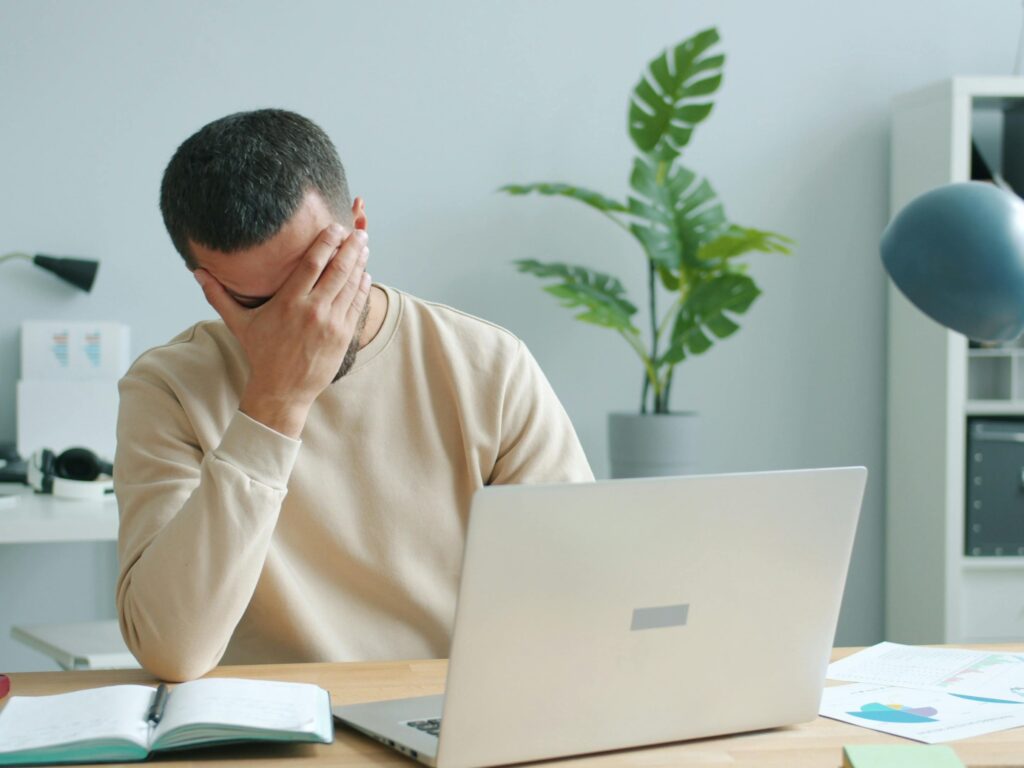
Let’s be real. Most of us are sitting for hours office, laptop, phone, repeat.
When you sit too long:
- Your leg muscles become weak.
- Knees stay in one position for too long
- Blood flow reduces
- And then suddenly you get up and expect your body to perform
That’s where the problem starts. The body isn’t ready, but we push it anyway.
Weight Gain Adds Silent Pressure
This part is simple but often ignored. Even 4–5 extra kilos can put a lot of pressure on your knees. You won’t notice it immediately, but over time it builds up.
- Climbing stairs feels harder
- Knees feel heavy
- Pain starts after small activities
And most people think, “It’s normal; it will go away.” But it doesn’t.
Gym and Sports Injuries Are Common Now
Going to the gym is good. But doing it wrong is risky. A lot of people:
- Skip warm-up
- Do heavy squats with wrong form
- Follow random YouTube workouts
- Don’t give their bodies enough rest
Then pain starts, but instead of stopping, they continue. That’s how small issues turn into bigger injuries.
Early Signs People Usually Ignore
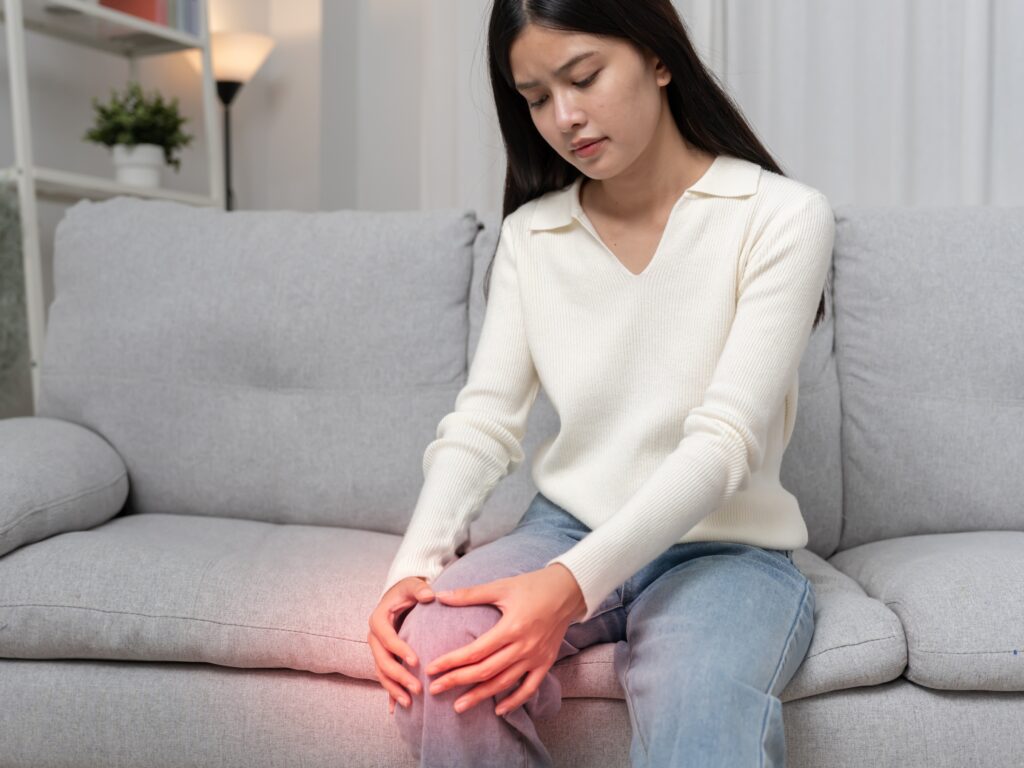
Knee pain doesn’t suddenly become serious. It gives signals. You might notice:
- Slight pain while using stairs
- A clicking sound sometimes
- Stiffness after sitting too long
- Mild swelling after activity
Most people ignore this stage. That’s the mistake.
Why More Young People Are Going to Orthopaedic Doctors
Earlier, people used to wait. Now they don’t and that’s actually a good thing.
- Pain is affecting daily work
- People want quick recovery.
- Awareness is better now.
- Non-surgical treatment works well if caught early.
So yes, more young people are visiting doctors, but it’s also because they are not ignoring it anymore.
Conclusion
Knee pain at 30 is not something to ignore or accept as “normal”. It’s mostly linked to how we live long sitting hours, low activity, sudden workouts, and weight gain.
The good part? You can fix a lot of it early. Move more during the day. Don’t rush in the gym. Pay attention to small pain signals. Because if you ignore it now, your future self will definitely feel it.
FAQs
1. Is knee pain at 30 normal?
Knee pain at 30 is quite common today, especially due to desk jobs and inactive lifestyle. But it should not be considered normal. If the pain keeps coming back or increases over time, it’s better to pay attention and not ignore it.
2. What are the early signs of knee pain?
Early signs include mild pain while climbing stairs, stiffness after sitting for long hours, or a clicking sound in the knee. You may also notice slight swelling after activity. These small signs are often ignored but should be taken seriously.
3. When should I see a doctor for knee pain?
You should see a doctor if the pain lasts for more than a few days, keeps returning, or starts affecting your daily routine. Swelling, difficulty in movement, or discomfort during simple activities are also signs that need medical attention.
Category
Latest From Blog
ACL Tear in Cricket & Kabaddi Players: Signs, Treatment & Return to Sport
How Long Does a Knee or Hip Replacement Last? Everything Patients Ask Us
Joint Pain Is Not Just Old Age — 7 Warning Signs You Should Never Ignore
Popular Tag
We are committed to providing reliable, compassionate orthopedic care focused on pain relief, mobility restoration, and long-term joint health.
Contact with Us
near Gaushala, Gaushala, Juhi Kalan, Chauraha, Kanpur, Uttar Pradesh 208011
Call us: +91 85458 87132
Mail: drrachit.mehta1008@gmail.com