

An ACL tear is one of the most common knee ligament injuries in sports. Whether you’re a fast bowler or a kabaddi raider, knowing the signs and the right ACL tear treatment can save your season and your career.
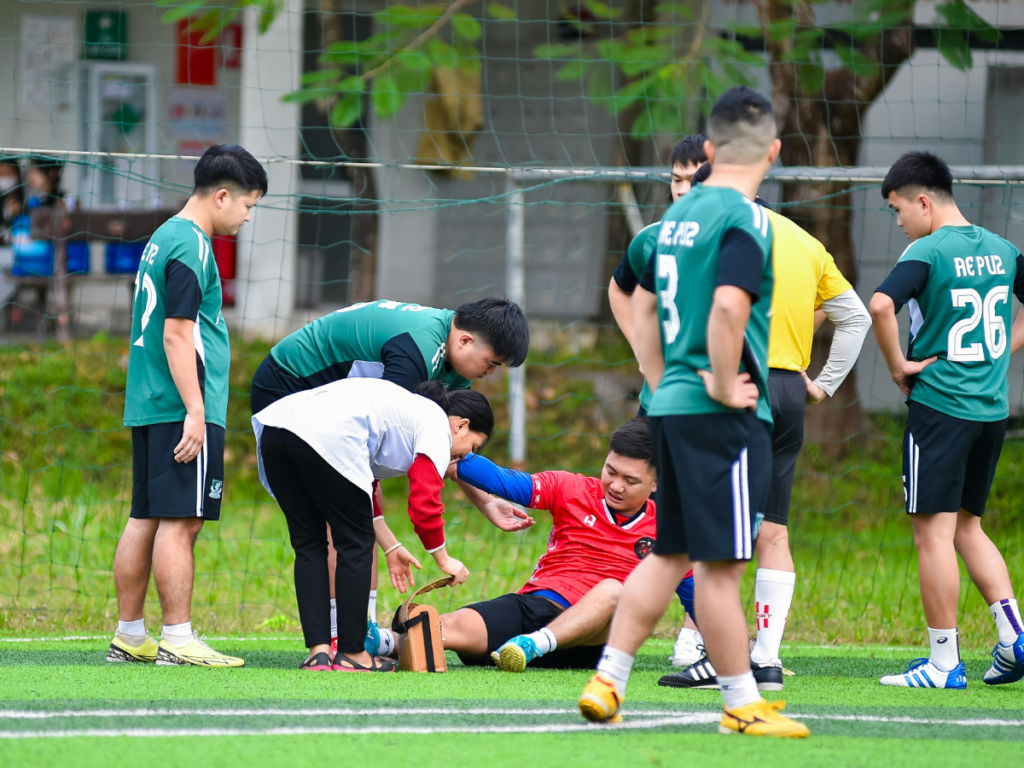
What is an ACL tear?
Understanding the injury
- The ACL (Anterior Cruciate Ligament) stabilises the knee during rotation and sudden direction changes movements central to both ACL injury in kabaddi and cricket.
- In cricket, it occurs during fast bowling delivery strides, sharp fielding dives, or sudden stops while running between wickets.
- In kabaddi, high-speed raids, baulk-line tackles, and contact holds create intense rotational stress on the knee.
- Tears are graded 1 (mild sprain), 2 (partial tear), or 3 (complete rupture) — Grade 3 usually requires ACL reconstruction surgery.
Signs & symptoms
How to spot an ACL tear
- A sudden “pop” sound or sensation in the knee at the time of injury the most classic sign.
- Rapid swelling appearing within 2–4 hours of the incident.
- Knee instability the joint feels like it “gives way” when walking or pivoting.
- Loss of range of motion difficulty fully bending or straightening the leg.
- Tenderness along the inner or outer joint line of the knee.
Diagnosis
Getting the right diagnosis
- A sports medicine doctor performs the Lachman test and anterior drawer test to check ligament stability.
- • An MRI scan is essential it confirms the tear grade and checks for associated meniscus or cartilage damage.
- X-ray rules out bone fractures but cannot confirm an ACL tear always get an MRI.
- Early diagnosis leads to faster, more targeted ACL tear treatment.
Treatment
ACL tear treatment options
- Immediately after injury: RICE protocol Rest, Ice, Compression, Elevation for 48–72 hours.
- Grade 1–2 tears: conservative physiotherapy, bracing, and targeted strengthening exercises.
- Grade 3 complete rupture: ACL reconstruction surgery using a hamstring or patellar tendon graft recommended for all competitive athletes.
- Post-surgery physiotherapy begins within days to prevent stiffness and accelerate ACL rehab.
Return to sport
ACL recovery timeline
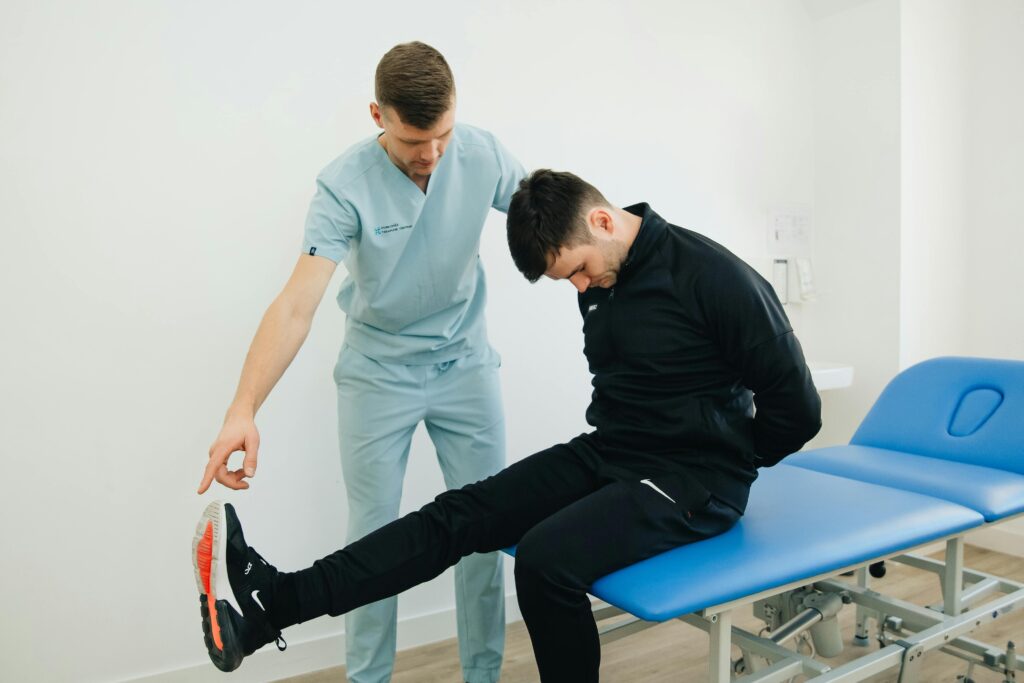
- Weeks 1–6: swelling control, gentle range-of-motion work, light quadriceps activation.
- Months 2–4: progressive strengthening of quads, hamstrings, and hips; stationary cycling and balance training.
- Months 4–6: sport-specific drills shadow batting, bowling run-ups for cricket; non-contact raid patterns for kabaddi.
- Months 6–9: full team training with load monitoring; psychological readiness assessed alongside physical strength.
- Months 9–12: return to sport after ACL with doctor’s clearance most players compete again at this stage.
Prevention
How to reduce ACL injury risk
- Follow an ACL warm-up protocol before every training session and match.
- Strengthen hip abductors and hamstrings weak hips are a leading risk factor for knee ligament injuries in sports.
- Train correct landing mechanics: soft knees, upright torso, avoid knee-inward (valgus) collapse.
- Wear sport-appropriate footwear turf shoes for grass, court shoes for kabaddi mats.
Bottom line
An ACL tear is serious but not career-ending. With the right ACL tear treatment, a committed ACL rehab timeline, and patience, most cricket and kabaddi players successfully return to sport within 9–12 months. Recovery is not about speed, it’s about doing it right.
Frequently asked questions
Is ACL surgery always required for cricket and kabaddi players?
Surgery is recommended for Grade 3 complete tears in competitive athletes. Grade 1–2 tears can often be managed with physiotherapy and bracing, depending on knee stability.
How long does ACL recovery take for a kabaddi player?
Full return to competitive kabaddi including contact raiding and tackles typically takes 9–12 months after ACL reconstruction when the full rehab programme is followed correctly.
Can a cricket fast bowler return to bowling after ACL surgery?
Yes. Most fast bowlers resume bowling drills around months 4–6 and return to competitive bowling by months 9–12 with proper medical clearance and rehab.
What is the re-injury risk after returning to sport?
Re-tear rates are 15–25% if athletes return before 9 months. A phased, criteria-based return-to-sport programme significantly lowers this risk.
How can I prevent an ACL injury in cricket or kabaddi?
Regular hip and hamstring strengthening, ACL warm-up protocols, correct landing technique training, and sport-appropriate footwear are the most effective prevention strategies.
Category
Latest From Blog
ACL Tear in Cricket & Kabaddi Players: Signs, Treatment & Return to Sport
How Long Does a Knee or Hip Replacement Last? Everything Patients Ask Us
Joint Pain Is Not Just Old Age — 7 Warning Signs You Should Never Ignore
Popular Tag
We are committed to providing reliable, compassionate orthopedic care focused on pain relief, mobility restoration, and long-term joint health.
Contact with Us
near Gaushala, Gaushala, Juhi Kalan, Chauraha, Kanpur, Uttar Pradesh 208011
Call us: +91 85458 87132
Mail: drrachit.mehta1008@gmail.com